Behaviour in Practice Conference
June 19 to 21, 2026
Location: Alt Hotel Saskatoon
Saskatoon, SK S7K 1P4
The Saskatoon SPCA is proud to host the Behaviour in Practice Conference, a three-day professional event focused on animal behaviour, animal welfare, and humane, science-based care. This conference is designed for veterinarians, veterinary technicians, dog trainers, shelter and rescue professionals, pet care workers, and anyone passionate about improving the lives of animals.
This animal behaviour conference in Saskatoon will bring together experts from veterinary medicine, dog training, and education to share practical tools, real-world case examples, and research-informed approaches. Whether you work hands-on with animals or support their care through policy, education, or community outreach, you will leave with ideas you can use right away.
A Conference Focused on Behaviour, Welfare, and Care
The Behaviour in Practice Conference explores how behaviour, health, learning, and environment are deeply connected. Sessions will highlight ethical, modern approaches that support both animals and the people who care for them.
❋ KEYNOTE: Trauma-informed and trauma-assumed care
❋ Conference topics below.
This veterinary and dog training conference is designed to be thoughtful, welcoming, and grounded in both science and compassion.
Headline Speakers
We are excited to announce our two headline speakers for the Behaviour in Practice Conference: Linda Randall, DVM, KPA-CTP, TagTeach Level 3 and Kathie Nurena, MD, KPA-CTP, CNWI.
Meet the Speakers
-
Keynote Speaker
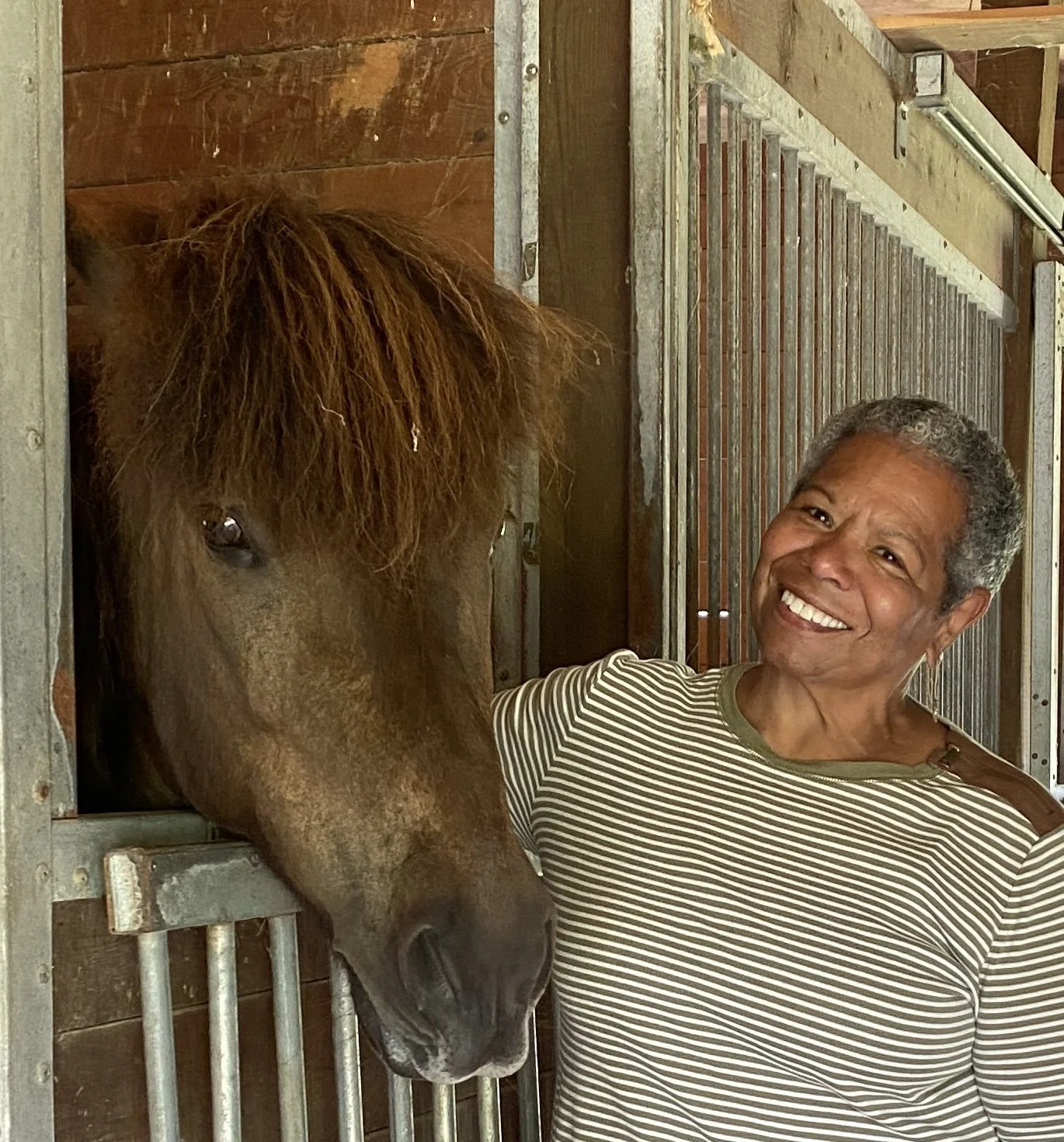
Linda Randall, DVM, is a currently practicing veterinarian, professional dog trainer, and educator whose career uniquely integrates veterinary medicine, behavior science, and social responsibility. A graduate of The Ohio State University College of Veterinary Medicine, Linda practiced for over 20 years as an ABVP Board-Certified Diplomate in Companion Animals and founded Cloverleaf Animal Hospital in Ohio. Today, she continues to practice companion animal medicine and behavior at Seville Animal Hospital, where much of her clinical focus centers on the medical dimensions of behavior.
Throughout her veterinary career, Linda has emphasized the inseparability of health, behavior, and environment. She is widely recognized for her ability to translate complex medical and behavioral science into practical, ethical decision-making—particularly in cases where behavior is influenced by stress, trauma, or adverse life experiences. Her approach is grounded in trauma-informed care for people and trauma-assumed care for animals, with an emphasis on function, context, and safety rather than blame or compliance.
In parallel with her veterinary practice, Linda is the owner of One Smart Dog, a full-service dog training facility in Ohio specializing in positive reinforcement training for family dogs and puppies, agility, and scent work. Holding credentials including Karen Pryor Academy Certified Training Partner (KPA-CTP), TagTeach Level 3, and Living and Learning with Animals certification, Linda is known for her exceptional ability to integrate modern learning theory with medical insight—a combination that allows her to address behavior challenges with both clinical rigor and compassion. This dual perspective is a defining feature of her teaching and is rarely found at this depth in either profession alone.
Linda presents nationally and internationally on trauma-informed / trauma-assumed practice, the intersection of veterinary medicine and animal training, and system-level influences on behavior. She frequently co-presents with physician and trainer Kathie Nurena, MD, KPA CTP, CNWI, offering a powerful cross-disciplinary lens that resonates with trainers, shelter professionals, and veterinary teams alike.
She also speaks extensively to veterinary hospitals, shelters, rescues, trainers, boarding facilities, and foster networks on infectious disease awareness, zoonotic risk, and preventive care standards. Her talks emphasize responsible communication and practical implementation of vaccines, attention to the GI Biome, parasite control, and cleaning protocols in environments where dogs move between homes, shelters, training facilities, and veterinary settings.
A Distinguished Alumna of both Earlham College and The Ohio State University College of Veterinary Medicine, Linda is widely regarded as a thoughtful, engaging, and trusted educator. Attendees consistently describe her sessions as insightful, grounded, and energizing—anchored in science, informed by real-world practice, and delivered with clarity, warmth, and humor.
-
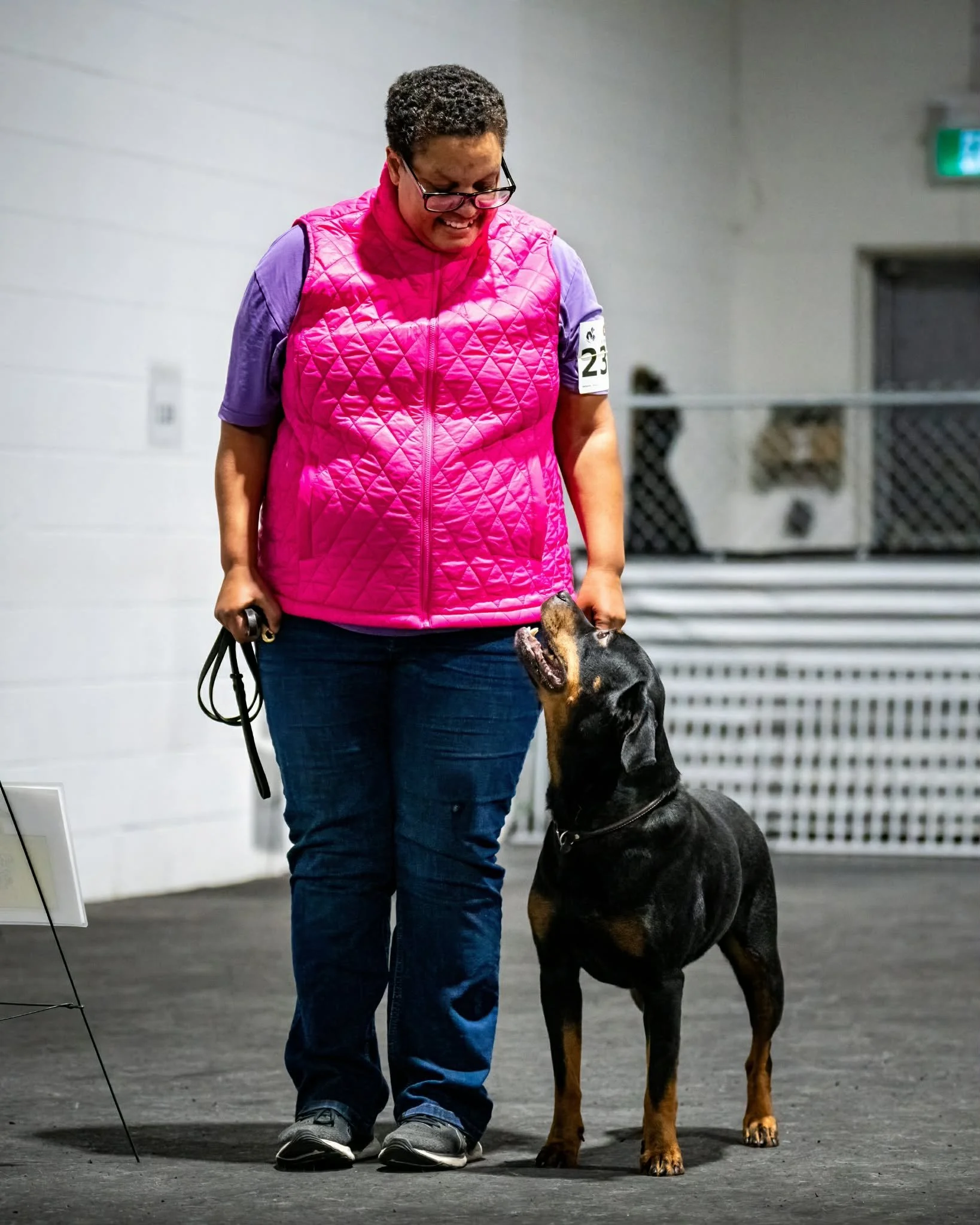
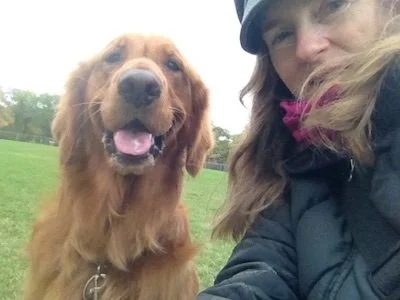
Her formative dog training and behavior experience was during the 7 years she owned Prairie Dog Daycare and was a lead dog training instructor at Two Brown Dogs Canine Consultants for Dr. Renee Will. During that time, Ayoka managed and staffed and ran all aspects of the dog daycare business and enjoyed teaching a variety of classes including classes for reactive dogs, foundation sport classes and, rally obedience classes.
She has been participating in a variety of dog sports since 2006, including flyball, agility, herding, rally obedience, conformation, and obedience.
This broad range of experience has greatly helped her understand how breaking things down and seeking clarity in instruction can lead to success in and out of the competition ring.
Ayoka is passionate about Rottweilers, and her dogs are playing multiple sports with joy and success.
-
Keynote Speaker
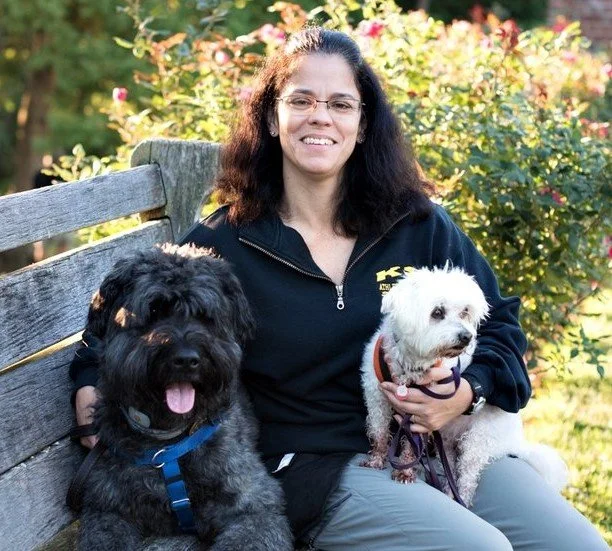
Kathie Nurena is a physician and a dog trainer. She graduated from Albert Einstein College of Medicine and completed her Family Medicine Residency at Stamford Hospital in Connecticut. She is currently faculty at that program, teaching residents in both the outpatient and hospital settings. Within medicine, Kathie has a strong interest in social determinants of health, health equity, trauma informed care and scholarly activity. She is the Medical Director the Stamford Hospital’s facility dog program.
There were always pets in the house while Kathie was growing up. She got her first dog as an adult after completing residency and was fortunate to find a supportive training community that quickly became an important part of her life. She and her first dog, Shorty, a Maltese, competed in Agility, Nosework, and Freestyle. Kathie later graduated from Karen Pryor Academy as a Certified Training Partner (KPA-CTP) and also earned her Certified Nose Work Instructor (CNWI) credential. She currently teaches nosework classes.
Kathie volunteers with Metropolitan Maltese Rescue and has volunteered with the American Bouvier Rescue League. These experiences have deepened her appreciation for rescue work and the human–canine bond. Through years of observation, training, and education, she has become particularly interested in the relationship that develops between a handler and dog through learning and play. She has also come to value how principles of learning theory and positive reinforcement used in animal training translate meaningfully to her work with human learners in medical education—and how insights from medical education literature may, in turn, inform animal training practices.
She shares her home with her husband, a Maltese, and two Bouvier des Flandres.
-
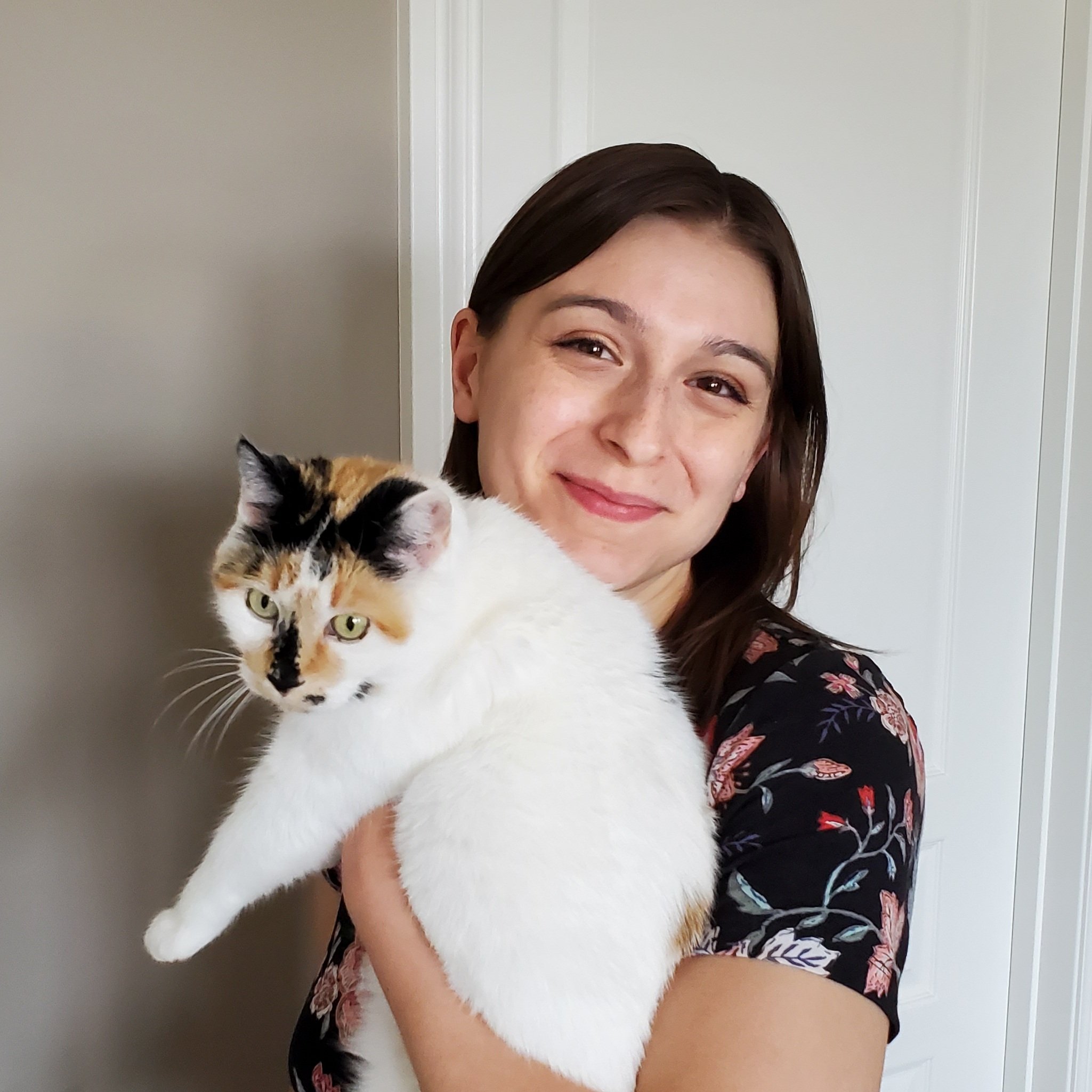
Jennifer is a Certified Dog Behavior Consultant through the IAABC and a Certified Professional Dog Trainer -- Knowledge Assessed through the CCPDT. She is the owner of Oberhund Dog Services & Products and has over 20 years experience offering humane dog training and behaviour modification instruction focused on reward-based behaviour change procedures and current science. Jennifer specializes in over-reactivity, fear, and anxiety-based behaviours.
-
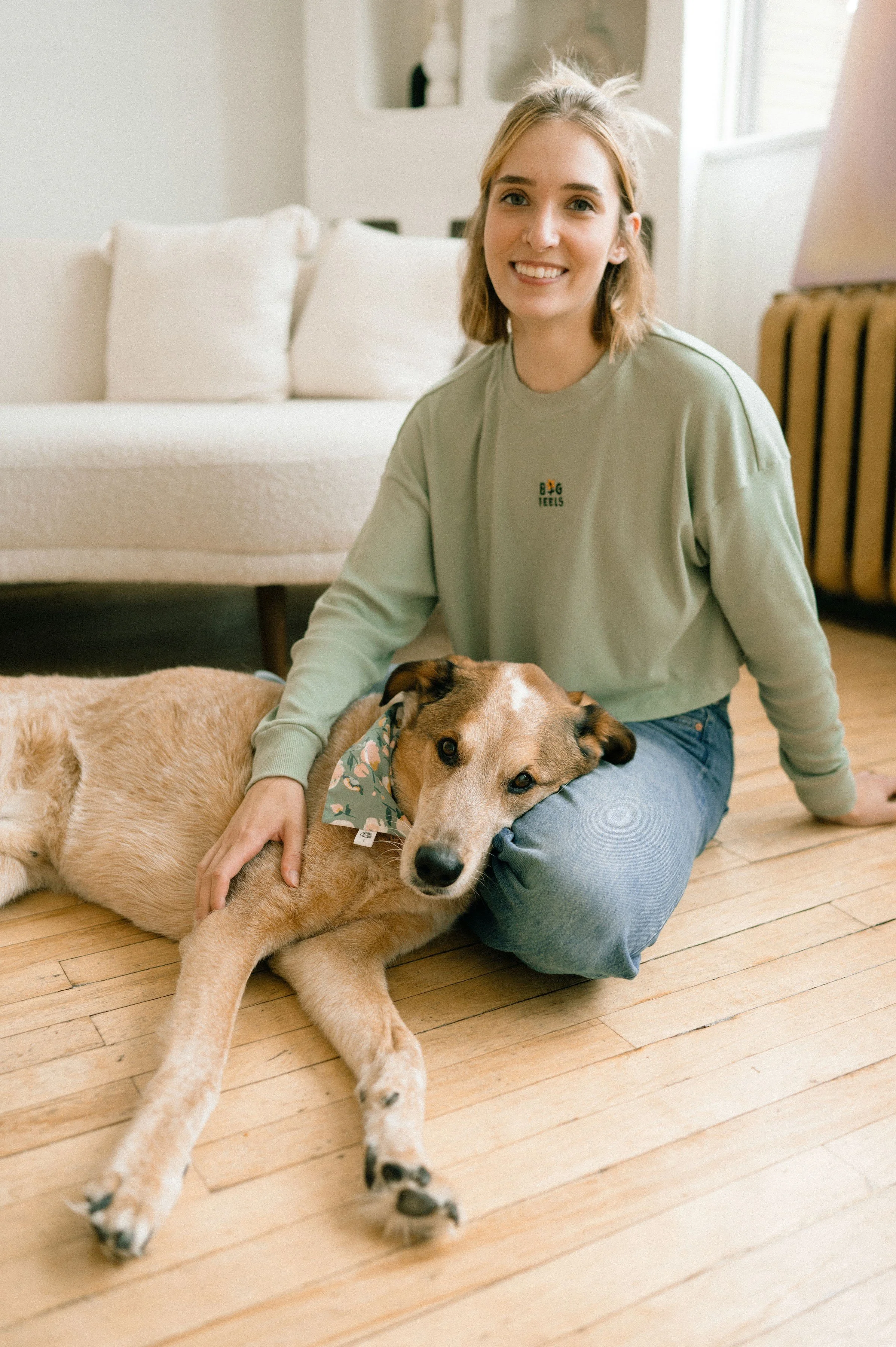
Tori Schlosser is the proud owner of Purrsuasion and a certified cat trainer, Métis woman, and dedicated feline advocate based in Regina, Saskatchewan.
Driven by a lifelong desire to improve the lives of cats, Tori founded Purrsuasion in 2016. Her work centers on helping people understand what makes their cats unique, nurturing truly fulfilled felines, and demonstrating how respect and compassion can strengthen the human-cat bond. She has built her career around supporting families through feline behaviour challenges, with special interests in cat-to-cat conflict and relationship dynamics, as well as clicker training.
Tori earned her Cat Training certification from Animal Behavior College in 2018 and became a Fear Free Certified Professional in 2024. She continues to expand her expertise through ongoing education and hands-on experience.
Through speaking, teaching, and hands-on coaching, Tori remains committed to elevating the standard of care for cats and helping cats and their people live their best lives together.
-
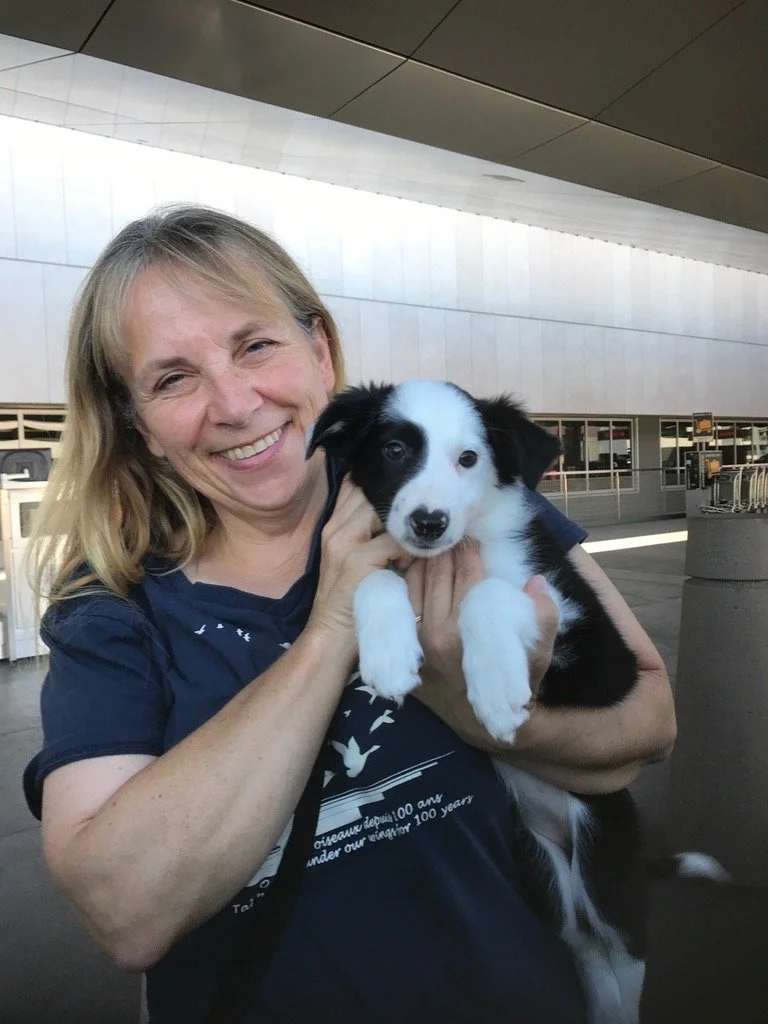
Marissa is a Certified Professional Dog Trainer through the CCPDT and the owner of Strides Dog Training, one of the few R+ businesses in Saskatoon. She is passionate about animal welfare and is a Veterinary Technologist student through TRU.
-
Dr. Karen Machin is a veterinarian and associate professor in the Department of Veterinary Biomedical Sciences at the Western College of Veterinary Medicine, University of Saskatchewan. She earned her Doctor of Veterinary Medicine (DVM) degree from the Ontario Veterinary College, University of Guelph, and subsequently completed a Master of Science (MSc) degree, a combined residency in exotic, wildlife, and zoo animal medicine, and a PhD at the University of Saskatchewan. Her graduate studies focused on anesthesia, analgesia (pain relief), and stress. Dr. Machin currently oversees the Clinical Behaviour Service and is a resident with the American College of Veterinary Behaviorists. She teaches several courses in the DVM program, including Animal Welfare and Behaviour, Anesthesia and Analgesia, Biomedical Rounds, Communications, and Clinical Behaviour. Her research program centers on animal stress with the goal of understand the mechanisms of stress and effects. Dr. Machin’s research explores metabolic changes in the context of pain and clinical behavior disorders in dogs, cats and other species. This research aims to investigate how metabolism profiling can enhance understanding and management of pain and behavioral issues in veterinary patients.
Your Questions, Answered
-
The Behaviour in Practice Conference will take place at the Alt Hotel Saskatoon, located in downtown Saskatoon at 480 2 Ave S, Saskatoon, SK S7K 1P4. This central location offers easy access to dining, river walks, and local attractions.
-
Booking Link: Details - Alt Hotel Saskatoon
Booking Code (for phone reservations): 2606SASKAT_001The link will remain valid until May 19, and rooms will be offered based on availability.
-
Continuing Education credits will be available for select professions, including veterinary and dog training fields. (some organizations still pending)
Certification Council for Professional Dog Trainers (CCPDT):
CPDT-KA - 2 CEU’s
CBCC-KA* - 15 CEU’s
* Courses approved for CBCC-KA CEUs may be applied to a CPDT-KA or CPDT-KSA recertification. Courses approved for CPDT-KA or CPDT-KSA may not be applied to a CBCC-KA recertification.Saskatchewan Veterinary Medical Association (SVMA):
The Saskatoon SPCA’s Behaviour in Practice Conference offers high-quality continuing education opportunities for veterinary professionals focused on practical, evidence-informed behaviour care. In accordance with the Saskatchewan Veterinary Medical Association (SVMA), members and registrants may self-declare continuing education credits, provided the content is within their scope of practice and documentation can be supplied if audited.
The Saskatoon SPCA can provide proof of attendance, along with detailed information on speaker credentials and presentation topics, to support SVMA CE reporting requirements. We are pleased to support veterinary teams in accessing meaningful, relevant education that strengthens behaviour knowledge and improves patient care.
Karen Pryor Academy (KPA)
KPA CEUs awarded: 9.5International Association of Animal Behaviour Consultants (IAABC): CEU’s Pending
-
Early Bird (Students): $200 + fees
Early Bird: $300* + fees
Regular (Students): $250 + fees
Regular: $350* + fees
*Friends of the Shelter: if you work with a shelter or animal welfare organization and are concerned about fees, please email info@saskatoonspca.com for a discount code.
Early Bird ticket sales available until March 31, 2026
-
The early bird deadline is March 31!
SCHEDULE OF EVENTS
Friday 19 June
Cocktails and networking at the Alt Hotel
5:30pm - 7:00pm.
Saturday 20 June
-
Linda Randall DVM KPA-CTP TAG TEACH LEVEL 3 and Kathie Nurena MD KPA-CTP CNWI
This session explores trauma as it affects both people and animals, using a dual framework: Trauma-Informed Care for humans and Trauma-Assumed Care for animals. We discuss how trauma—whether acute “Big T” trauma or cumulative “Little T” trauma—presents in veterinary, shelter, training, and foster-care environments.Participants will learn how trauma influences behavior, learning, medical care, communication, and professional relationships. We break down this complex and emotionally charged topic into practical, relatable components, offering clear language, observable indicators, and accessible conversation starters that can be used across disciplines.
A central focus is maintaining a balance between compassion and professional sustainability—supporting animals and the people who care for them without inadvertently causing additional harm or secondary trauma to professionals themselves. The goal is to help move both people and animals toward greater stability, safety, and trust.
-
Ayoka Bubar BA CPDT-KA CKC and CARO judge
Join Ayoka for this presentation to learn tips and tricks for changing behaviour when training time is limited.
-
Linda Randall DVM KPA-CTP TAGTEACH LEVEL 3
Moral injury refers to the lasting psychological and emotional impact that occurs when an individual’s moral framework is violated—through acts of commission, omission, or betrayal by trusted systems or authorities. This concept is increasingly recognized in healthcare, emergency response, and animal-care professions.
Building on trauma-informed principles, this session explores situations where distress may not feel like “trauma” in the traditional sense, yet results in profound ethical and emotional harm. Participants are invited to examine how moral injury may help explain chronic stress, disengagement, anger, or grief that is otherwise difficult to name.
We also address a challenging and often avoided dimension: how to responsibly acknowledge and work with individuals who have caused harm and are themselves impacted by it, without minimizing the harm done to others. This discussion is framed carefully, with attention to accountability, boundaries, and ethical care within training, veterinary, and shelter contexts.
-
Karen Marchin DVM PhD
Behavioural change is often the first or only clinical sign of underlying medical disease in dogs and cats. Pain, pruritus, gastrointestinal disease, endocrine disorders, neurologic conditions can alter emotional processing, arousal thresholds, disrupt sleep, and behavioural responses. Failure to identify these contributors risks misdiagnosis, inappropriate behaviour modification plans, and compromised welfare. This presentation will review the neurobiological and physiological mechanisms that influence behaviour, with emphasis on central sensitization, inflammatory mediators, HPA axis activation, and sleep fragmentation. Particular attention will be given to chronic pain, allergic disease and pruritus, gastrointestinal dysfunction, and endocrine disorders as common but under-recognized drivers of aggression, anxiety, reactivity, house soiling, and inter-animal conflict.
-
Bringing a puppy into the home with a senior dog can be incredibly rewarding—and incredibly tricky. Puppies arrive full of energy and curiosity, while older dogs often prefer calm, predictable routines. With careful planning, clear boundaries, and respect for each dog’s needs, you can create an environment where both your puppy and your senior companion feel safe, valued, and set up to thrive together.
-
Linda Randall DVM KPA-CTP TAG TEACH LEVEL 3 and Kathie Nurena MD KPA-CTP CNWI
Resilience is defined not as toughness or endurance, but as the ability to adapt positively to stress and adversity—often strengthened through supportive relationships and meaningful experiences.
This session introduces the HOPE Framework (Healthy Outcomes from Positive Experiences), a research-based model developed at Tufts University. The framework identifies Positive Childhood Experiences (PCEs) and four foundational building blocks—such as emotional growth and play—that contribute to long-term resilience and health.
Although originally developed for human development, these principles translate powerfully to animal-care systems and interdisciplinary teams. We explore how intentional, positive experiences can foster resilience in people and animals alike, even in high-stress environments.
Sunday 21 June

-
Linda Randall DVM KPA-CTP TAG TEACH LEVEL 3 and Kathie Nurena MD KPA-CTP CNWI
This session addresses infectious diseases commonly encountered in dogs and cats, including zoonotic concerns, with relevance to veterinary clinics, shelters, foster homes, boarding facilities, and training environments.
We cover clinical signs, modes of transmission, prevention strategies, and operational impact, while also addressing the realities of evolving research, conflicting data, and persistent myths. Special attention is given to how disease patterns are shifting due to climate change, increased animal movement, and global mobility of people and pets.
The talk integrates veterinary medicine, public health, and human behavioral factors. Dr. Randall presents the veterinary and medical framework; Dr. Nurena addresses the human and organizational impact; and together we explore zoonotic risk communication. Emphasis is placed on practical, attainable prevention and mitigation strategies that facilities can realistically implement.
-
Karen Machin DVM PhD
“Aggression” is commonly used as a diagnosis, yet it is not a disease entity, it is a behavioural outcome. Aggressive behaviour represents a functional response emerging from underlying affective states such as fear, anxiety, frustration, pain, conflict, insecurity, and social stress. Mislabeling aggression as a primary diagnosis can obscure medical contributors, impair treatment planning, and negatively impact welfare outcomes. This presentation will explore affective neuroscience and the emotional systems that drive aggressive responses. This presentation will explore affective neuroscience and the emotional systems that drive aggressive responses, integrating the roles of learning history, context, and neuroendocrine function in shaping behaviour.
-
Kathie Nurena MD KPA-CPT CNWI
Burnout is often discussed solely in terms of depletion and failure, which can unintentionally reinforce shame and disengagement. This session reframes burnout through established tools such as the Maslach Burnout Inventory and Professional Quality of Life (ProQOL) model, highlighting the continuum between compassion fatigue and compassion satisfaction.
Caregiving—whether for animals, clients, or communities—is an act of deep commitment and meaning, but it carries significant emotional and cognitive demands. Participants will explore early warning signs of burnout, secondary trauma, and compassion fatigue, along with protective factors that support long-term sustainability.
The focus is on realistic self-awareness, ethical self-care, and organizational cultures that allow caregivers to remain effective without sacrificing their own well-being.
-
Ayoka Bubar BA CPDT-KA CKC and CARO judge
Join Ayoka for a presentation on how stress affects our sport dogs and some different approaches to managing it.
-
Jennifer Berg CDBC CPDT-KA
This presentation will include a discussion of underlying causes of over-reactive behaviours in dogs and an overview of some helpful training and behaviour modification methodologies. Participants will come away with practical tips and resources designed to help prevent and address over-reactive behaviours in dogs.
-
Tori Schlosser, ABCCT, FFCP
Sharing your home - and your heart - with multiple cats is often seen as the dream among cat lovers. But what happens when that dream turns to daily cat fights and constant separation? In this presentation, Certified Cat Trainer Tori Schlosser explores the nuanced world of feline relationships and what truly drives tension and conflict in multi-cat households.
Attendees will gain a deeper understanding of cat behaviour, social dynamics, and the often-misunderstood challenges cats face when living together. Tori will break down why friction develops in the home, which subtle stress signals are frequently missed, and what proactive steps families can take to prevent issues before they escalate.
Drawing from case studies from her own clients, Tori will share real-life examples for tools that are relatable and practical.
This presentation is ideal for all pet professionals, rescue staff/volunteers, and cat parents who want to better understand feline relationships and support happier, more harmonious multi-cat homes.

Stay Tuned for More Details
More speakers, session topics, and schedule information will be announced soon. This page will be updated regularly as new details become available.
If you care about animal behaviour, animal welfare, and humane education, we invite you to save the date and join us in June 2026.
Thanks to our Conference Sponsors


To learn more about sponsorship opportunities, contact:
Email: allyson.t@saskatoonspca.com